01
Collection
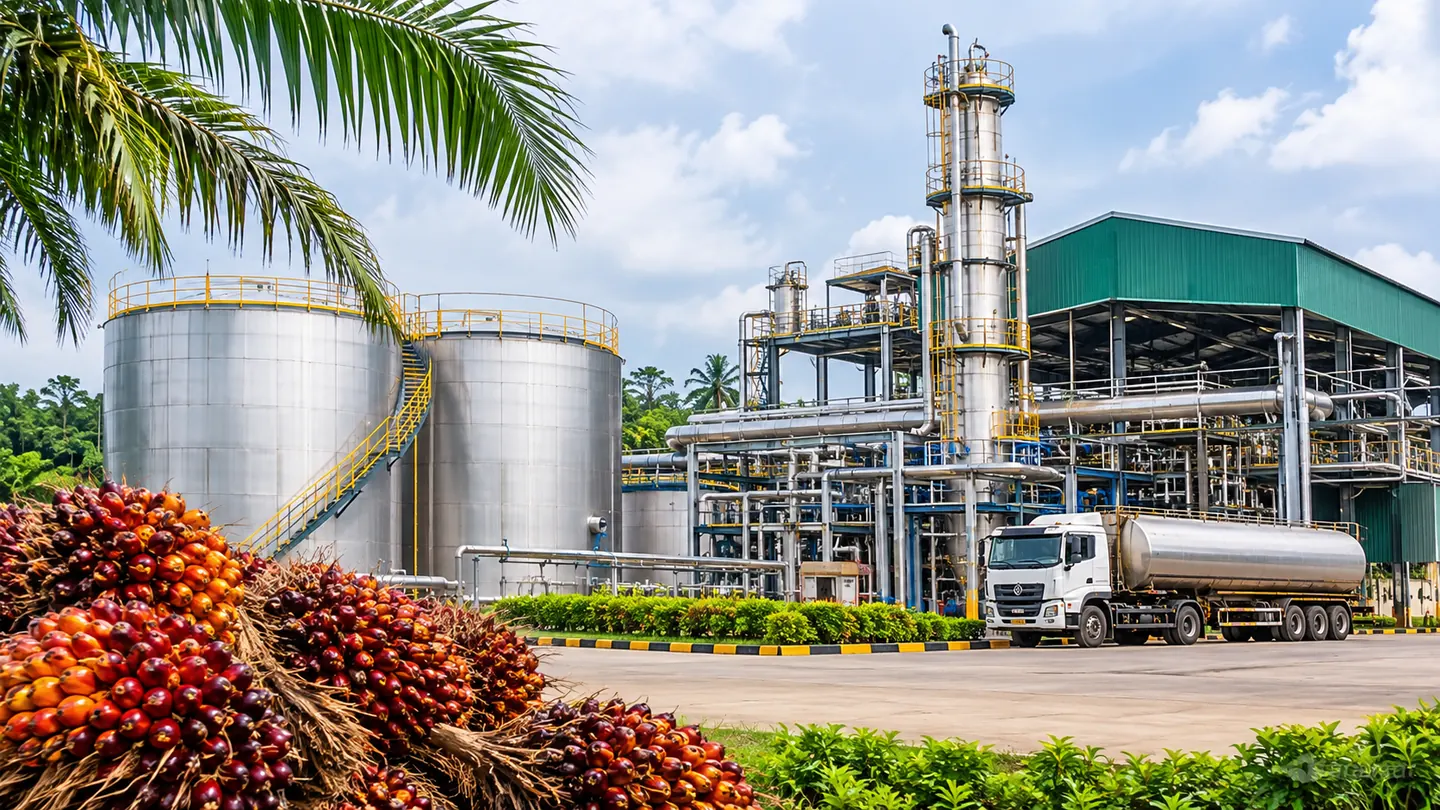
Coordinate collection from participating farms, mills and local aggregation points.
Pickup plans are agreed around supplier readiness, product volume and the buyer's delivery window.
GrowReliance logistics
We connect collection, aggregation, quality checks and road transport into one coordinated supply process—starting with our Delta State to Lagos corridor.
The logistics proposition
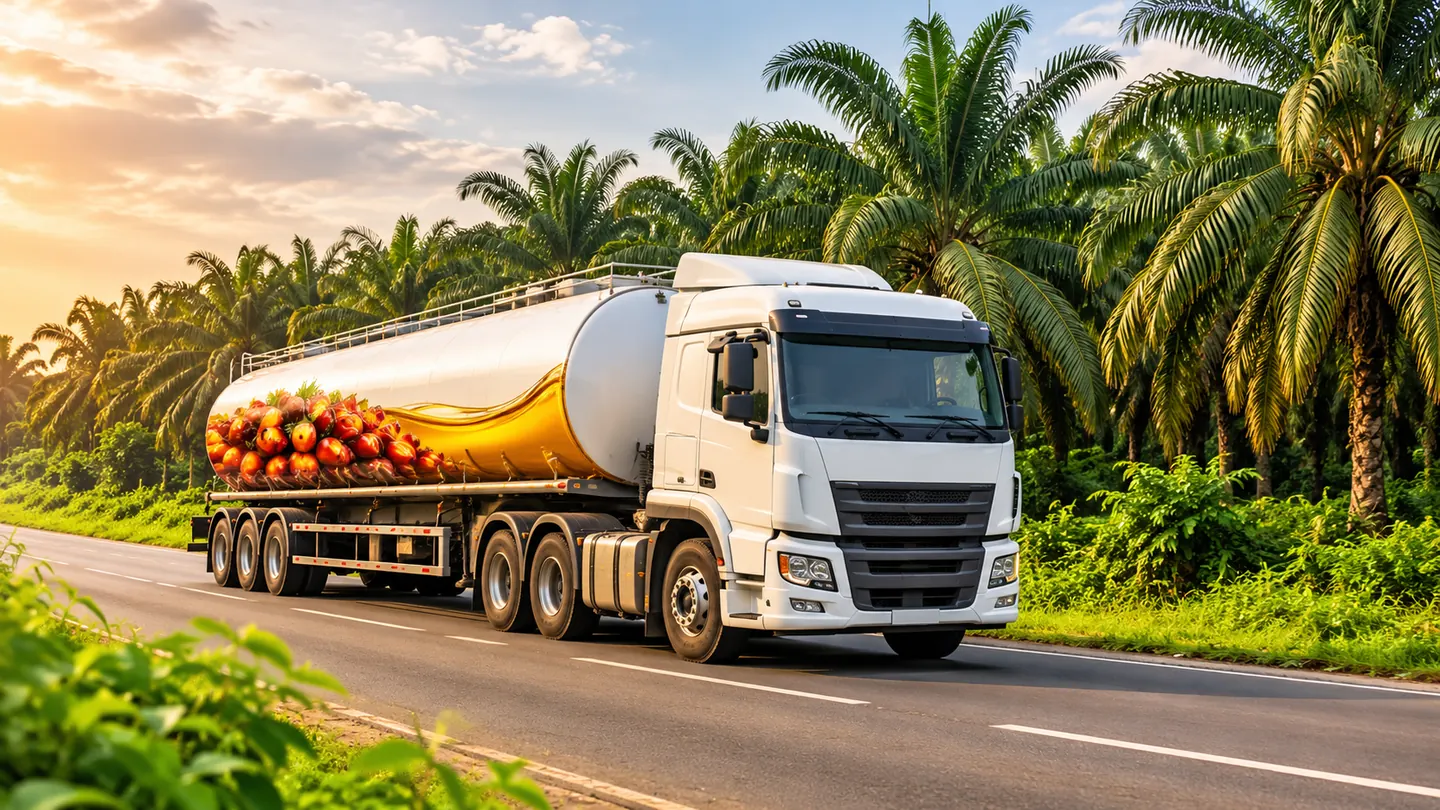
Agricultural supply is more than moving a truck from one location to another. It takes coordination between producers, aggregation points, quality requirements, packaging, transport and the receiving buyer. GrowReliance brings these moving parts together around each confirmed order.
Work with participating producers and mills.
Consolidate, check and prepare lots for dispatch.
Coordinate haulage and delivery documentation.
Our first operating corridor
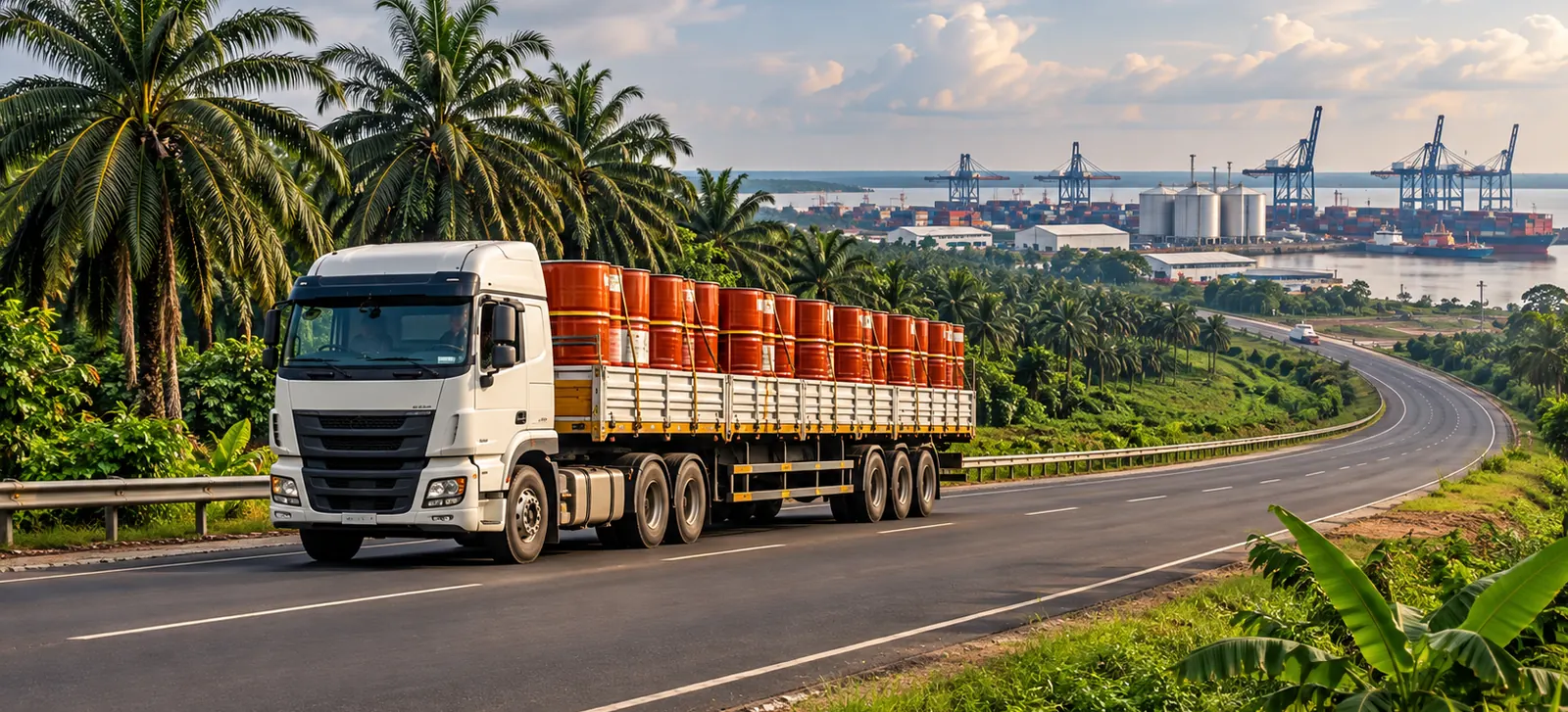
Our initial logistics focus is the movement of palm oil from producers and mills in Delta State to buyers and processors in Lagos. This is the first corridor in a wider network we intend to develop across Nigerian states and, over time, other African markets.
We are building this network progressively. Availability, volume, vehicle requirements, timing and pricing are confirmed against each inquiry rather than presented as guaranteed fleet capacity.
Initial route
Delta State → Lagos
Initial commodity
Palm oil
Movement mode
Road haulage
How the process works
The exact sequence and handling requirements vary by commodity and order, but every movement is planned around clear supply and delivery requirements.
Coordinate collection from participating farms, mills and local aggregation points.
Pickup plans are agreed around supplier readiness, product volume and the buyer's delivery window.
Sample and assess produce against the specification agreed with the buyer.
For palm oil, checks may include free fatty acid (FFA), moisture and impurities.
Consolidate compatible lots and prepare them for dispatch.
Lot identity and handling records are maintained through the coordination process.
Arrange suitable haulage from the collection point to the receiving destination.
Vehicle type, packaging, load size and timing are confirmed per order.
Keep the order, lot and trip documentation connected.
Buyers receive the agreed delivery and product records for their receiving process.
Built around each order
A suitable delivery plan depends on the commodity, quantity, packaging, handling needs, collection location and receiving site. We establish these details before confirming the arrangement.
Transport arrangements are based on confirmed volume, packaging, route and delivery requirements—not a one-size-fits-all rate.
Product requirements are agreed before sourcing and checks are completed at the appropriate aggregation stage.
Supplier, lot and trip records support traceability from origin through delivery.
Transport planned per order
Vehicle, load, packaging and delivery window are agreed before dispatch.
Visibility & documentation
Each coordinated movement should connect the supplier, product lot, quality checks and delivery record. Our approach is to make these records part of the operating process, creating a clearer account of what was sourced and moved.
Digital trip records and order documentation support coordination today. Live GPS fleet tracking is not represented as an active service; it is a capability we may introduce as the logistics network develops.
Origin and product details linked to the relevant order.
Agreed collection, dispatch and receiving information.
Start a logistics conversation
Share your commodity, volume, collection point, destination and preferred delivery window. We’ll review the requirements and discuss a practical arrangement.